

Introduction. When Legion launched in 2016, it brought with it one of World of Warcraft’s most ambitious features—the Class Hall system. Designed as spiritual successors to Garrisons, Class Halls gave every class a unique headquarters, filled with lore, roleplay, and progression opportunities. More than just bases, they acted as narrative hubs where heroes united under a shared identity, blurring the line between storytelling and gameplay. Years later, many players still consider them one of Blizzard’s most inspired design experiments—a perfect balance of personalization, immersion, and cooperation.
This article explores why Class Halls worked so well, how they elevated the Legion experience, and what lessons they left for future expansions.
The Philosophy Behind Class Halls
Blizzard introduced Class Halls to restore a sense of community lost in Warlords of Draenor’s isolated Garrison system. Instead of individual fortresses, players joined shared sanctuaries built around class identity. Each hall reflected its members’ essence—the Druid’s Dreamgrove pulsed with natural life, while the Death Knight’s Acherus exuded cold authority. The design emphasized cooperation over solitude, immersing players in spaces that felt both personal and alive.
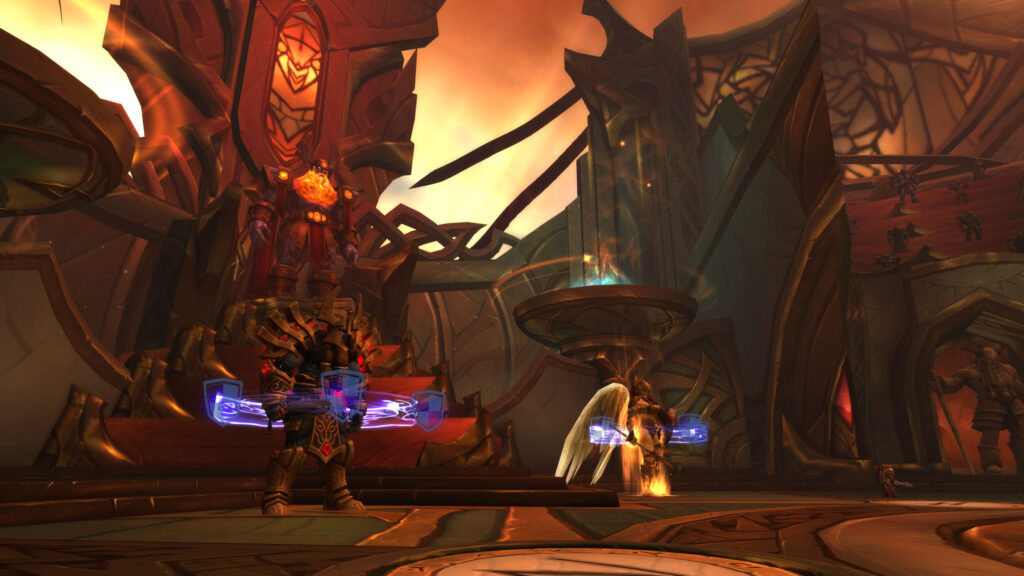
More importantly, Class Halls tied gameplay progression to narrative context. Recruiting followers, researching upgrades, and unlocking artifact power all took place within environments rooted in class lore. For the first time, progression felt like participation in a living order rather than a detached menu system. Players weren’t just adventurers—they were leaders among peers.
Immersion Through Identity
Each hall captured the heart of its class’s fantasy. The Mage’s Hall in Dalaran shimmered with arcane power, while the Paladin’s Sanctum of Light radiated faith and unity. These spaces reflected not just aesthetics but ideology—each design decision reinforced the emotional and thematic core of its class. This made logging in feel meaningful; even the simple act of returning “home” carried narrative weight.
Players felt represented within their hall’s community. NPCs addressed them by title, mission tables advanced their cause, and other players shared the same sense of purpose. The Class Halls became stages for collective storytelling, allowing the community to embody their archetypes more deeply than ever before.
The Balance Between Solo and Social
One of Legion’s triumphs was its ability to blend solo engagement with group identity. Class Halls struck this balance perfectly. While players advanced personal storylines and artifact quests, they also contributed to class-wide efforts that affected everyone’s progression. This gave a sense of unity without sacrificing individuality—a rare accomplishment in MMO design.
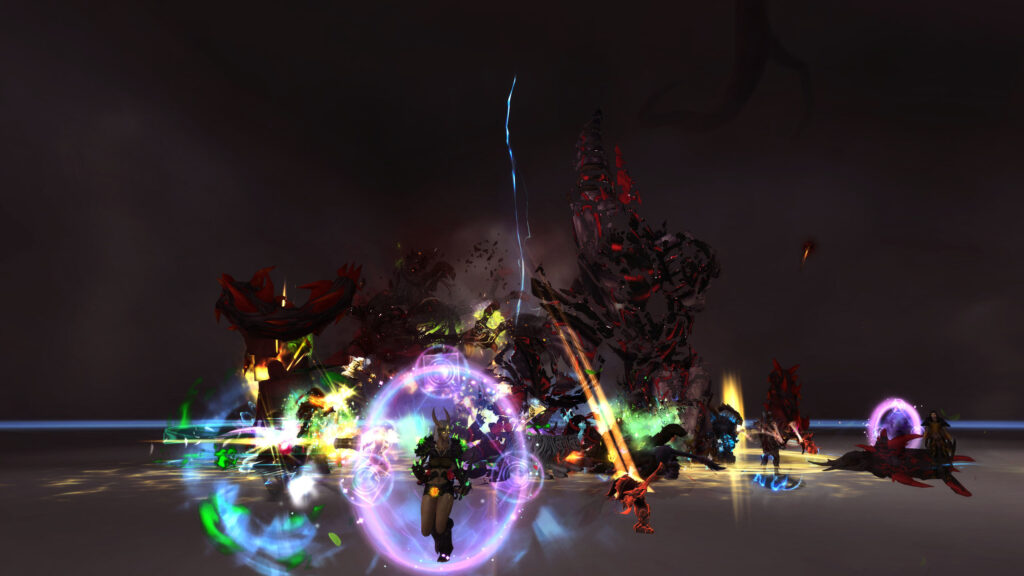
The shared yet personal nature of these spaces laid the groundwork for future design philosophies, including Dragonflight’s focus on cross-faction collaboration and communal storytelling. Legion proved that personalization and cooperation aren’t opposites—they can coexist and enhance one another.
| Class Hall | Location | Theme | Core Identity |
|---|---|---|---|
| Dreamgrove | Val’sharah | Harmony and Renewal | Druidic stewardship of nature |
| Acherus | Broken Isles | Death and Control | Death Knight unity under cold purpose |
| Hall of the Guardian | Dalaran | Knowledge and Magic | Magical discipline and secrecy |
| Sanctum of Light | Eastern Plaguelands | Faith and Devotion | Paladin brotherhood and conviction |
Storytelling and Emotional Payoff
Legion’s Class Halls weren’t just hubs—they were stages for character development. Through them, players witnessed their class’s evolution and unity. The campaigns featured major lore figures like Maiev Shadowsong, Velen, and Darion Mograine, giving players a sense of historical continuity. These stories built emotional investment, making every mission feel like a contribution to a grander saga.
The narrative strength of the Class Halls lay in empowerment through belonging. Players weren’t just participating—they were leading. By merging narrative, progression, and identity, Blizzard created a sense of purpose that resonated deeply long after Legion ended.
Legacy and Lessons Learned
Though later expansions moved away from the concept, echoes of the Class Hall design persist. Dragonflight’s renewed focus on identity-driven hubs and profession sanctuaries reflects lessons learned from Legion’s experiment. Players still crave spaces that feel meaningful and connected to their character’s journey. The Class Halls remain a blueprint for future innovation—showing how environment, story, and community can intertwine seamlessly.
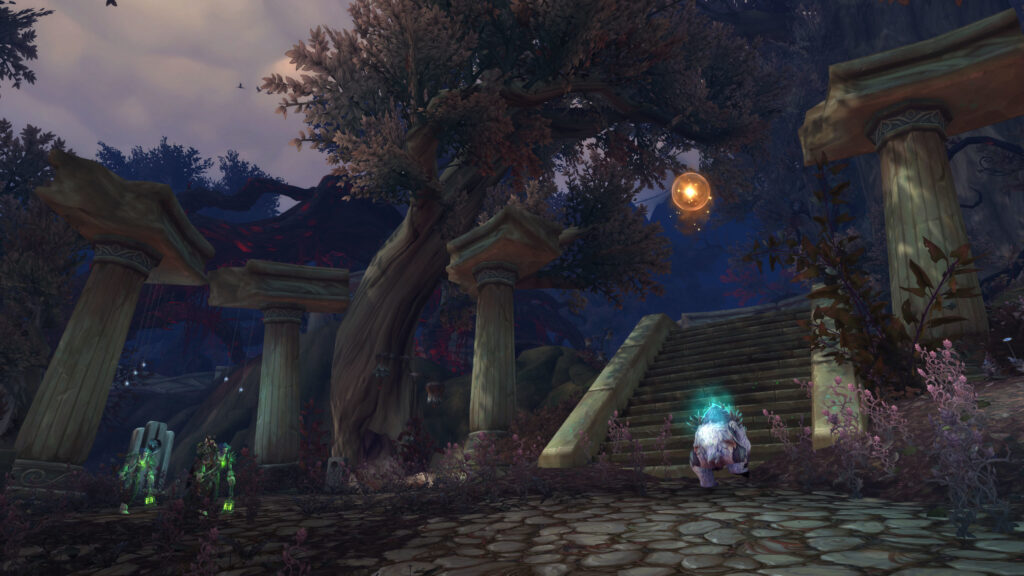
In many ways, Legion’s Class Halls were more than just content—they were culture. They united roleplayers, raiders, and casual fans alike through shared identity and pride. That rare fusion of gameplay, atmosphere, and philosophy remains one of WoW’s defining design triumphs.
Conclusion
Legion’s Class Halls proved that MMO design could be both personal and communal, mechanical and emotional. They celebrated what makes each class unique while reinforcing the power of unity within diversity.
In the tapestry of WoW’s history, few systems have captured the essence of belonging so elegantly. Even years later, many players still remember their Class Halls not as features—but as homes.